
Underkeep Classes: All 7 Roles and Weapons
All seven Underkeep classes explained: main stat, resource, front or back row, weapon requirements, and the race that fits each one.
Underkeep has seven classes: Warrior, Paladin, Thief, Ranger, Wizard, Voidcaller, and Blood Mage. Four can hold the front row, three are built for the back, and every class has weapon requirements that decide which skills you can actually use.
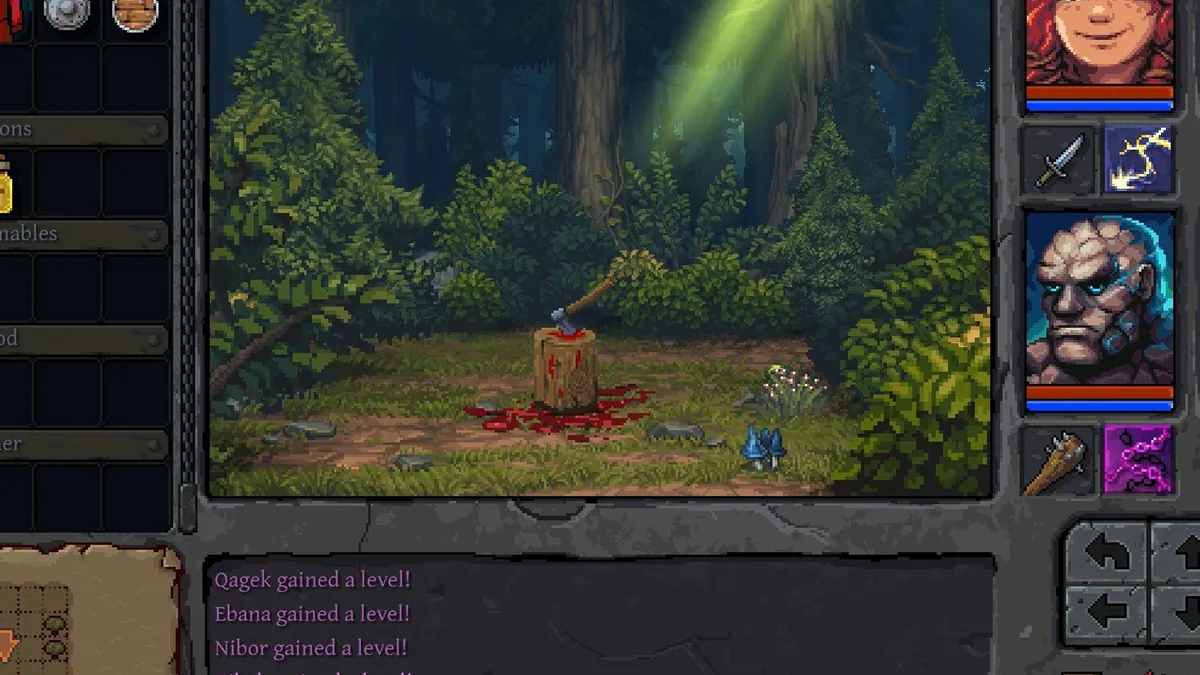
What are the seven Underkeep classes?
| Class | Main stat | Resource | Row | Weapon focus |
|---|---|---|---|---|
| Warrior | STR | Stamina | Front | Sword, mace, axe, shield, two-handed |
| Paladin | STR, some WIS | Zeal | Front | One-handed weapons, shield |
| Thief | DEX | Stamina | Front | Dagger, sword |
| Ranger | DEX | Stamina | Back | Bows and ranged weapons |
| Wizard | WIS | Mana | Back | None, spells only |
| Voidcaller | WIS | Mana | Back | None, spells only |
| Blood Mage | END | HP plus bones | Back | None, blood spells |
The main stat is not cosmetic. Warrior and Paladin damage starts from STR, Thief and Ranger crit and hit chance start from DEX, and Wizard and Voidcaller mana per level starts from WIS. The best build page→ explains how far each stat carries a class.
Warrior: the weapon specialist
Warrior is the most flexible frontliner. Its skills cover every common melee weapon, plus a taunt, a party damage roar, and a free-action grip buff. Provoking Shout is the reason to bring one: at max level it redirects 100% of attacks, which protects a squishy hero who got pulled forward.
The cost is specialization. Each attack skill requires a specific weapon type, so a Warrior with a sword cannot use Skull Rattle. Decide on sword, mace, axe, or two-handed early, then buy gear that matches.
Check the weapon requirement before spending a level on a Warrior or Thief skill. A skill you cannot use is a wasted pick.
Paladin: tank, healer, undead hunter
Paladin runs on Zeal, a resource it builds and spends instead of stamina or mana. Lay on Hands is a direct heal, Stun Undead scales with Zeal, and Divine Guard turns every Zeal spend into armor. Judgment at level 6 is a heavy hit that scales with Zeal and hits undead and demons harder.
Paladin is the best single class for a blind run because it covers three jobs at once. It is also the class most affected by party composition: a Paladin with no other frontliner takes more hits than it can heal through.
Thief: bleed, poison, and crit
Thief is a front-row damage class built on negative effects. Bleeding Dash applies bleed, Backstab the Weak adds crit chance per negative effect, and Shadow Lunge deals bonus damage to bleeding or poisoned targets. Nightshade Mastery randomly applies poison, bleed, blind, or burn on dagger and sword hits.
Thief has evasion tools and a smoke bomb, but low armor. Put a Warrior or Paladin beside it, or accept that the Thief will need healing attention every fight.
Ranger: marks and ranged burst
Ranger is the back-row physical damage class. Aimed Shot is the reliable hit, Hunter's Prey marks a target for the whole party, and Execution Shot is the finisher against marked enemies. Barbed Arrows adds bleed at range, and Stillstrike can paralyze.
Ranger has no healing and no cure, so it depends on the party for survival. It is also the class that benefits most from DEX gear, because ranged hit chance and crit both scale from DEX.
Wizard: elemental burst
Wizard is the highest-ceiling damage class. Fire Spark burns, Ice Shard freezes, Static Shock hits two enemies, and the level 6 spells add group damage. Dragon Arcana boosts every element, which makes the passive a priority for any Wizard build.
Mana is the limit. A Wizard without mana is a spectator, so pair it with a Voidcaller aura or carry mana potions. Shielding Barrier is the self-defense tool for ranged-heavy rooms.
Voidcaller: the support engine
Voidcaller is the best support class in the game. Void Mend heals and removes bleed, burn, poison, and stun as it levels. Its auras give passive party value, Void Lance ignores defenses, and Unholy Convergence lowers an enemy's damage and resistances.
The class does little damage on its own, but it makes every other class better. In a party with a Wizard and a Warrior, the Voidcaller is the reason both get to act every round.
Blood Mage: HP as a resource
Blood Mage spends HP and bones to cast blood magic. Blood Lance is the basic attack, Exsanguinate extends bleed, Crimson Renewal heals an ally, and Leechcraft returns part of blood damage as HP. Scarlet Shackles paralyzes and bleeds a group.
Blood magic is 30% weaker against undead, and the HP cost makes mistakes expensive. Blood Mage is a strong second-run class, not the easiest first pick. The tier list→ explains the ranking in party context.
Which race fits each class?
Human fits everything because of the 10% XP bonus. Dwarf is a safe front-row pick. Stoneborn cannot wear body armor, so avoid it on a tank you plan to armor up. Elk is a niche pick against animals. Raven is a gamble, and Slugman needs fire protection. The races page→ has the full trait table.
FAQ
How many classes are in Underkeep?
Seven: Warrior, Paladin, Thief, Ranger, Wizard, Voidcaller, and Blood Mage.
Can a Ranger stand in the front row?
A Ranger can stand in front, but its kit is built around ranged weapons and it has low armor. Keep it in back unless you are building a specific melee hybrid.
Which class heals the most?
Voidcaller has the most healing and cure coverage. Paladin is the better off-healer because it can heal without leaving the front row.
Official source: Underkeep store page ↗
Community source: Steam community player guide ↗
Official source: Underkeep news hub ↗
More Underkeep Guides
How Underkeep combat works: one action per hero, free actions, damage and armor math, crit and evasion formulas, status effects, and turn order.
What is confirmed about Underkeep endings: multiple outcomes, the quests that matter, why special dialogue is not always best, and how to save for branches.
Underkeep equipment explained: weapon types per class, armor slots, how armor and sharpness change damage, which tools share the budget, and when to upgrade.
How Underkeep exploration works: which tools open which obstacles, how to search walls and graves, food and resting, and Waystone fast travel.
The Underkeep first party for a blind run: four heroes, race picks, early skills, gear priorities, and the first purchases that keep the run alive.
How Underkeep front row and back row positioning works: who can melee, when Reach bypasses the rule, what swapping costs, and the safest four-hero layout.
What to do when the four gargoyles get stuck in Underkeep Gravewood Crypt, why there is no reset lever yet, and how to recover without losing the run.
A spoiler-light Underkeep guide hub: what to do in the first hours, which systems matter, and which of our 25 pages answers your question.