
Underkeep Front Row and Back Row Explained
How Underkeep front row and back row positioning works: who can melee, when Reach bypasses the rule, what swapping costs, and the safest four-hero layout.
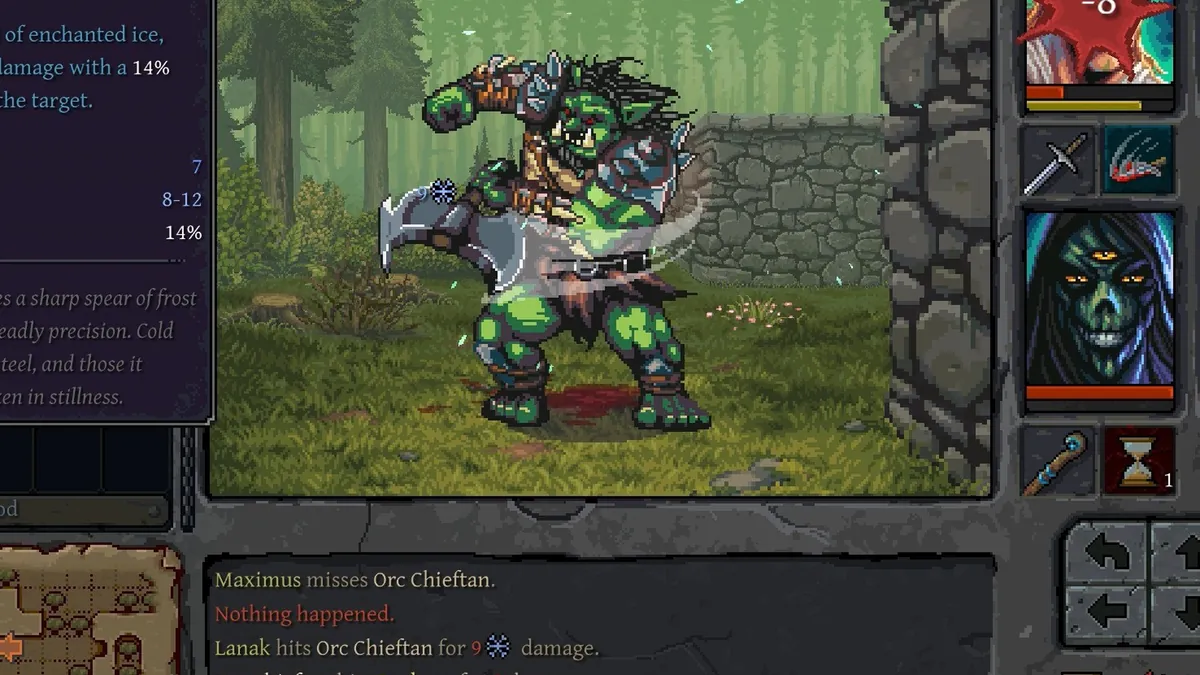
Underkeep uses two ranks. Melee attacks require the front row unless the weapon has Reach, most enemies can only hit the front row, and swapping a hero between rows costs that hero's action for the round.
Which classes belong in each row?
| Row | Classes | Job |
|---|---|---|
| Front | Warrior, Paladin, Thief | Take hits, melee, control |
| Back | Ranger, Wizard, Voidcaller, Blood Mage | Damage, healing, support |
| Either | Reach melee, hybrid builds | Hit from safety or tank when needed |
Thief is the exception that confuses new players. Its kit is melee, so it belongs in front, but its armor is low. Put it beside a Warrior or Paladin, never alone.
Blood Mage is a back-row class even though its spells are short-ranged. It has low armor and pays HP for casts, so it cannot afford front-row attention.
Why does the front row take the hits?
Most enemies target the front row first. That is the tank's job: absorb attacks so the back row can act every round. A party with no frontliner gives the enemy free access to the Wizard and Voidcaller, which is how most wipes start.
The rule is not absolute. Enemies with Reach, ranged attacks, or area abilities can hit the back row. When that happens, the answer is control or a barrier, not a permanent row swap.
When does Reach change the rule?
A melee weapon with Reach can attack from the back row. That lets a Warrior or Thief attack without standing in the damage lane, which is useful when the front row is already crowded or when a boss punishes melee contact.
Reach does not make a hero a tank. The hero still has low armor and will die if targeted. Treat Reach as a way to keep a fragile melee damage dealer active, not as a replacement for a frontliner.
What does swapping cost?
A row swap consumes the hero's action. You cannot swap and attack in the same round unless a skill says otherwise. After any hero acts, the party cannot move until the round ends.
That makes positioning a pre-fight decision. Set the rows before you enter the room, then leave them alone unless the fight changes shape.
A hero who swaps every round never attacks. Swap once, then commit.
What is the safest layout?
The default that works for most of the game:
| Position | Hero | Reason |
|---|---|---|
| Front left | Warrior | Highest armor, taunt |
| Front right | Paladin | Heals and off-tanks |
| Back left | Wizard | Elemental damage |
| Back right | Voidcaller | Healing and cures |
If you run a Thief, put it in the front right and move the Paladin to the back as an off-healer with a Reach weapon. If you run a Ranger, replace the Wizard and keep the Voidcaller.
The best party page→ covers the three standard compositions. The first party page→ gives the blind-run version.
When should you move a backliner forward?
Move a backliner forward when the front row is dead, when the enemy only attacks the closest target, or when a skill requires melee range. Do it as a planned round, not a panic click; the hero loses that round's action either way.
If a backliner is at low HP and the enemy has reach, moving forward can be worse than staying put. Heal through the hit or kill the enemy that reaches.
How do enemies choose targets?
The combat log shows who each enemy attacked. In general, enemies prefer the front row, and taunt effects such as Provoking Shout redirect attacks to the Warrior. Provoking Shout at max level redirects 100% of attacks for two rounds, which is the strongest protection in the game.
Use taunt before the enemy acts, not after. The buff lasts two rounds, so timing it on the round the boss uses its heavy attack is worth more than keeping it on cooldown.
FAQ
Can a Wizard stand in the front row?
It can, but it will take attacks it cannot survive. Keep casters in back unless a specific strategy requires otherwise.
Does the back row reduce damage?
No. The back row avoids most melee targeting; it does not add armor or a damage reduction multiplier.
Can you change formation outside combat?
Yes. Set the rows before the fight; the cost only applies once combat starts.
Community source: Steam community player guide ↗
Official source: Underkeep on Steam ↗
Official source: Underkeep news hub ↗
More Underkeep Guides
All seven Underkeep classes explained: main stat, resource, front or back row, weapon requirements, and the race that fits each one.
How Underkeep combat works: one action per hero, free actions, damage and armor math, crit and evasion formulas, status effects, and turn order.
What is confirmed about Underkeep endings: multiple outcomes, the quests that matter, why special dialogue is not always best, and how to save for branches.
Underkeep equipment explained: weapon types per class, armor slots, how armor and sharpness change damage, which tools share the budget, and when to upgrade.
How Underkeep exploration works: which tools open which obstacles, how to search walls and graves, food and resting, and Waystone fast travel.
The Underkeep first party for a blind run: four heroes, race picks, early skills, gear priorities, and the first purchases that keep the run alive.
What to do when the four gargoyles get stuck in Underkeep Gravewood Crypt, why there is no reset lever yet, and how to recover without losing the run.
A spoiler-light Underkeep guide hub: what to do in the first hours, which systems matter, and which of our 25 pages answers your question.